Commercial Waste Plumstead: Recycling and Sustainability
Practical steps for an eco-friendly waste disposal area
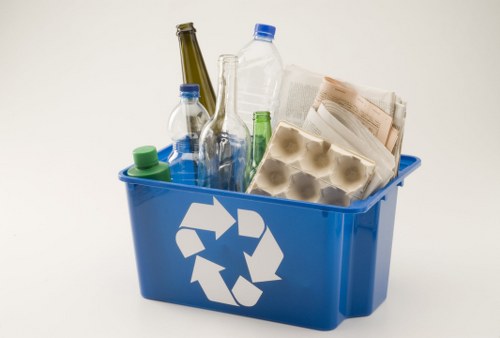 Commercial Waste Plumstead services are evolving to meet higher environmental standards across the borough. Our approach to a sustainable rubbish area focuses on reducing landfill, diverting material to reuse streams and maximising recycling rates for businesses and property managers. By aligning with the Royal Borough approach to waste separation — including dry recyclables, glass, cardboard and food waste — local enterprises can contribute directly to circular economy outcomes.
The strategy is pragmatic: set clear targets, provide easy separation at source and use low-impact logistics. Key elements include dedicated on-site bins for paper and cardboard, labelled containers for mixed recycling, and secure storage for hazardous or electronic waste. Separating waste where it is generated is the most cost-effective step toward meeting council expectations and corporate sustainability plans.
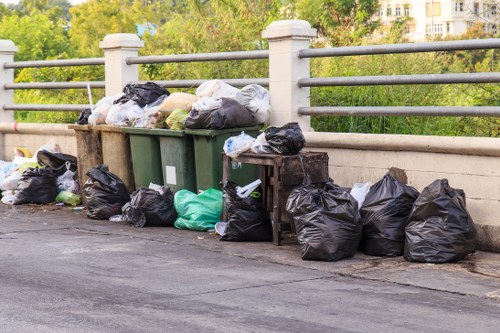 Recycling percentage targets are an essential metric for progress. We recommend an ambitious yet achievable target of 65% recycling by 2030 for Plumstead commercial waste streams, rising incrementally from baseline audits. This target balances local infrastructure capacity with realistic improvements in business waste separation and reuse partnerships. Tracking and reporting these percentages helps maintain momentum and meets borough-level environmental commitments.
To reach those targets, reliable transfer and sorting play a role. Local transfer stations and consolidation points reduce long-haul movements and speed up material recovery. Commercial clients will find value in connecting with borough transfer facilities as well as nearby regional transfer stations that accept segregated commercial recyclables and organics. Where possible, waste is routed to facilities that prioritise reuse and high-quality recycling over energy-from-waste.
Partners in the logistics chain are important. Our fleet strategy emphasises low-carbon vans and last-mile solutions: electric vans, hybrid units and cargo bikes for smaller collections. Using Euro-6 vans for routes that still require combustion engines further reduces NOx and particulates, while EVs cut tailpipe CO2 on urban runs. Low-emission transport is a visible part of sustainable waste management in Plumstead and nearby boroughs.
Commercial waste in Plumstead benefits from a mixed model of municipal and private infrastructure. Businesses are encouraged to schedule regular pick-ups that minimise double handling and leverage consolidation to lower emissions per tonne. Simple operational changes — compacting cardboard, consolidating collections and training staff in separation — amplify the benefits of both transfer stations and eco-friendly collection vehicles.
H3: Partnerships with charities and reuse networks
Working with charities and social enterprises is a high-impact route to reducing waste and supporting community reuse. Commercial Waste Plumstead providers often partner with local charities, redistribution networks and community reuse groups to divert usable items — furniture, textiles, surplus food and office equipment — away from disposal streams. These partnerships deliver social value while improving recycling rates and reducing costs for businesses that separate reusable items.
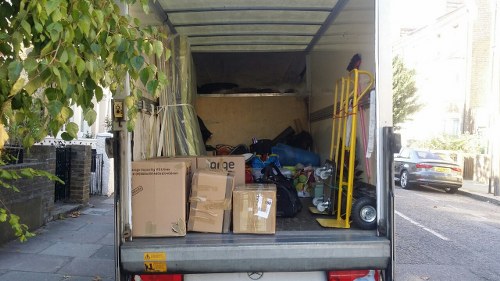 Typical diversion activities include bulk donations of office furniture to community centres, surplus food transfers to food redistribution groups, and collaboration with textile recyclers for end-of-line uniforms and soft goods. These relationships are structured so that commercial clients receive clear documentation of tonnages diverted, contributing to sustainability reporting and corporate responsibility statements.
Operational advice for a sustainable rubbish area includes a concise service menu. Consider the following collection priorities:
- Mixed dry recycling: paper, cardboard, plastics and metals separated at source
- Glass collections: segregated to maintain high-quality glass recycling
- Food and organic waste: for anaerobic digestion or composting
- WEEE and hazardous items: routed to specialist recycling lines
These actions align with boroughs' approaches to waste separation and make it easier for businesses to reach the recycling percentage target. Clear signage, employee training and routine audits help maintain compliance and improve capture rates over time.
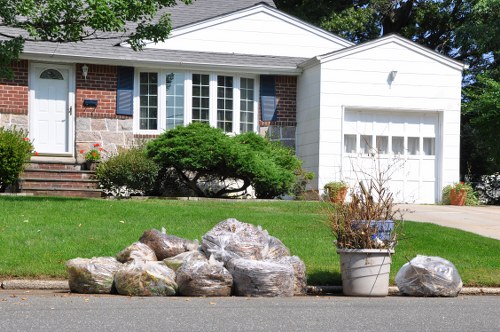 Monitoring and reporting are integral to sustainable commercial waste management. Regular waste audits identify contamination, reveal opportunities for increased reuse, and quantify reductions in disposal volumes. Audits also support continuous improvement: measuring diversion rates, transport emissions from low-carbon vans, and donations made through charity partnerships creates a transparent sustainability narrative for businesses operating in Plumstead.
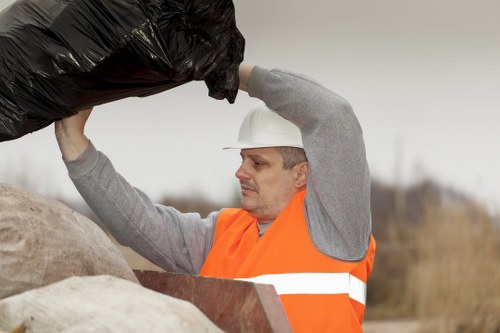 The future of eco-friendly waste disposal in Plumstead is collaborative. Businesses, waste operators, borough services and community groups each play a role in building resilient, low-carbon, and socially beneficial waste systems. By adopting practical separation routines, committing to a 65% recycling goal, engaging with local transfer stations, forming partnerships with charities and transitioning to low-emission collection vehicles, the commercial sector can transform local rubbish areas into efficient hubs of reuse and recovery.
In summary, focusing on source separation, smart logistics and community partnerships makes Commercial Waste Plumstead an opportunity for measurable sustainability gains. Emphasising eco-friendly waste disposal and developing a durable sustainable rubbish area will reduce environmental impact, lower costs and contribute to a greener local economy for businesses across the Plumstead area.
